Case studies

Communication becomes credible
when people can use it.

Each project began with a different communication challenge. These case studies show how I guided learners through practice, reflection and adaptation towards a usable outcome.

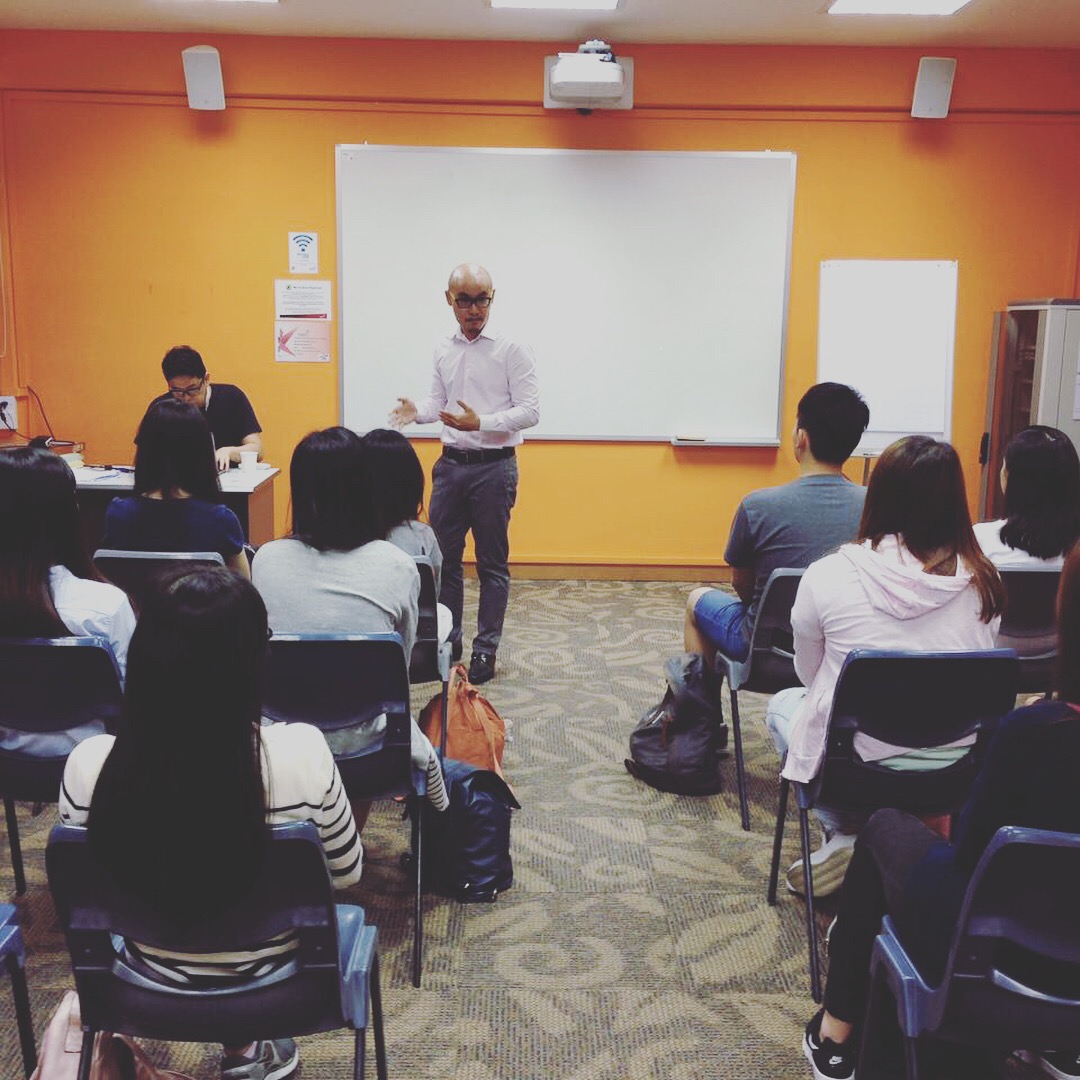
Rick Chan facilitating an experiential drama workshop for adult educators
Teacher-development workshop · Boon Lay Garden Primary School · 2016

Adult-learning case study

The challenge: make drama usable for teachers without specialist training.

The goal
Equip Primary 1 and 2 English teachers with practical drama techniques they could incorporate into their existing curriculum.
The challenge
Make the techniques accessible to teachers without specialist drama training and appropriate for young learners, while avoiding unnecessary theatrical jargon.
My approach
I introduced simple, low-risk activities progressively, modelled each technique and let the teachers experience the work as learners before considering how to adapt it for their own classes.
The debrief
I emphasised simple, age-appropriate questions that could help pupils reflect, express what they understood and connect the drama experience to the English-learning objective.
The outcome
Teachers left having experienced and practised adaptable drama techniques, together with a basic debriefing process for lower-primary English lessons.
Original science-drama case study · Student journey

Ugly: from uncertainty to confident performance.

The 15 students were the heroes of this project. My role was to guide their journey: building trust, helping them understand food waste and coaching them to turn that knowledge into a story an audience could feel.

01 · The unfamiliar beginning

Building enough trust to begin.

I was new to the students, and they were unfamiliar with both me and my way of working. I began with accessible drama activities that helped them feel safer participating, taking creative risks and working as an ensemble.

02 · The challenge

Understanding the issue behind the performance.

Before they could communicate the subject, the students needed to understand why safe but visually imperfect food is often rejected. Research and discussion gave the performance a clear purpose beyond the competition.

03 · Entering the story

Turning research into something they could embody.

Drawing on a Channel NewsAsia documentary about food waste in Asia, I wrote an original story about a social-media influencer confronted by the “ghosts” of discarded food—and by her assumptions about appearance.

04 · Practice and transformation

Moving beyond reciting lines.

Through acting exercises, vocal coaching, blocking and repeated rehearsals, the students became more confident, expressive and willing to experiment. They learnt to make purposeful choices in voice, movement, relationships and timing.

05 · The achievement

Taking ownership of the final performance.

The ensemble brought the production to competition with stronger performance skills, greater confidence and a more developed understanding of food waste. Drama had made the science visible, memorable and human.

The outcome

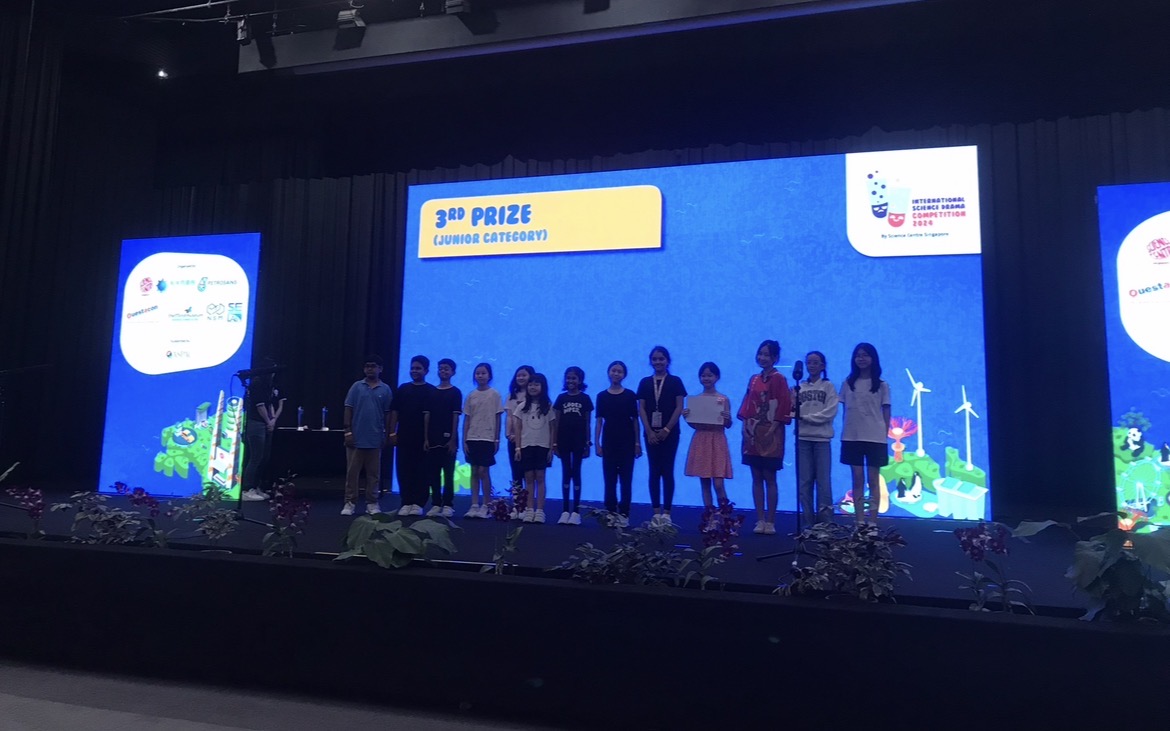
3rd PrizeJunior Category

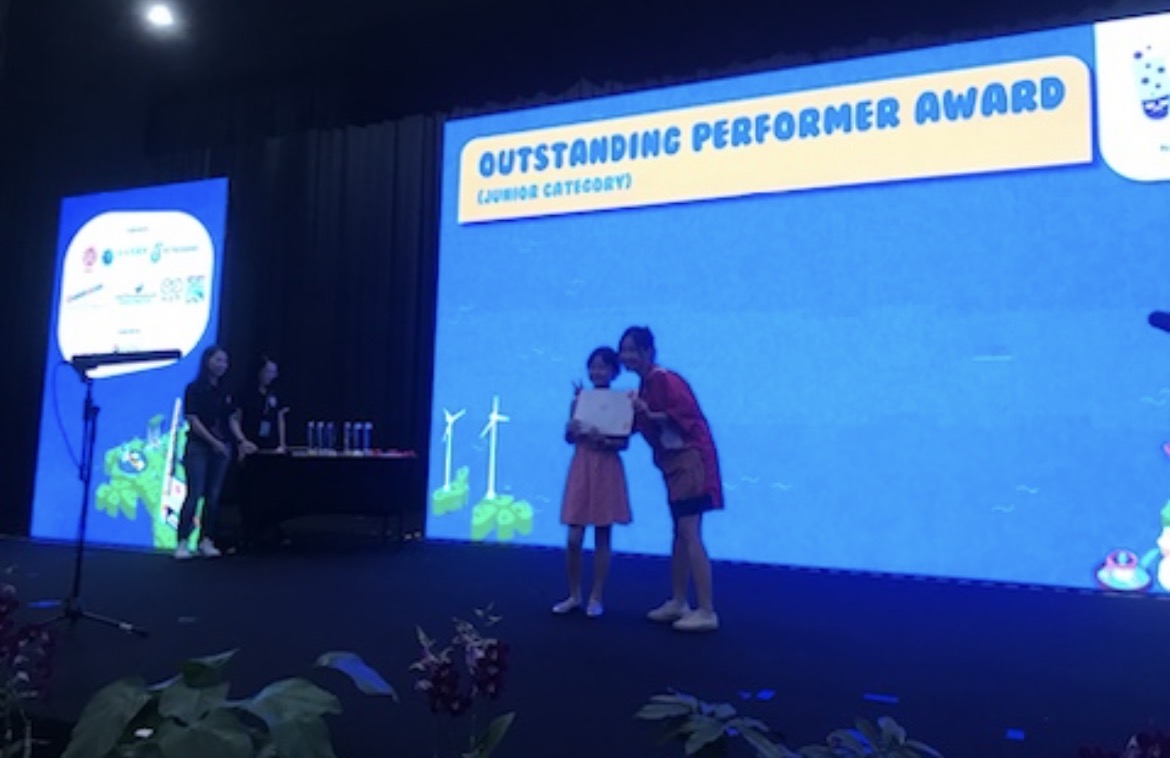
Individual recognition One student received the Outstanding Performer Award.

The students were the heroes. I led the research, original scriptwriting and revisions, casting, directing, blocking, acting and vocal coaching, staging, sound and ensemble preparation over two and a half months.

Rivervale Primary School · 2024 International Science Drama Competition · Rick Chan, Writer & Director
Rivervale Primary School students receiving 3rd Prize at the 2024 International Science Drama Competition
Team achievement · 3rd Prize
A Rivervale Primary School student receiving the Outstanding Performer Award
Individual recognition · Outstanding Performer

Tertiary-learning case study

The challenge: turn an abstract idea about leadership into something students could practise.

The context
A 2017 career immersion programme for visiting students from The Open University of Hong Kong.
The challenge
Leadership and workplace communication could remain theoretical unless the students had an opportunity to experience the demands of guiding other people.
My approach
I used role-plays, practical activities and facilitated reflection to help participants explore communication and leadership as observable workplace skills.
Learning by leading
Students took turns conducting and facilitating part of a class. This gave them direct practice in leading others, communicating instructions clearly and engaging a group.
Building rapport
I built rapport with the visiting students while helping them consider workplace communication and leadership within a Singapore context.
The outcome
Participants moved from discussing leadership as a concept to practising clear instructions, group engagement and responsibility for other people's learning.
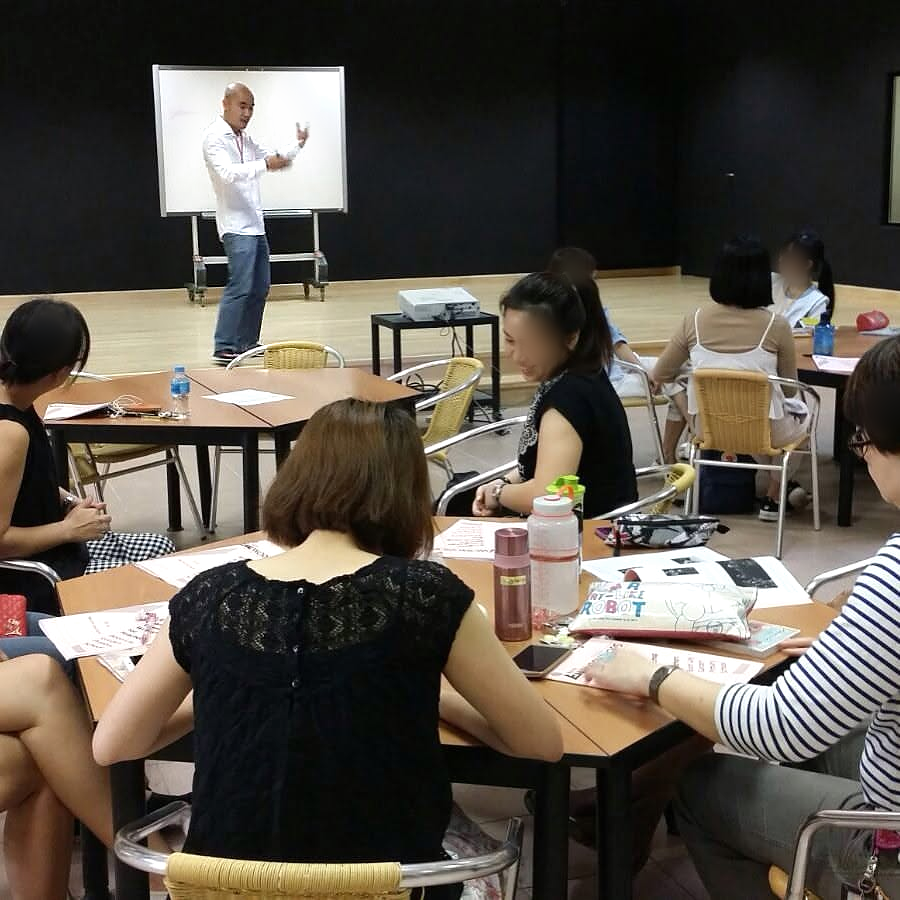
Rick Chan facilitating a career immersion class for visiting students from The Open University of Hong Kong
Career immersion programme · Classroom facilitation · 2017
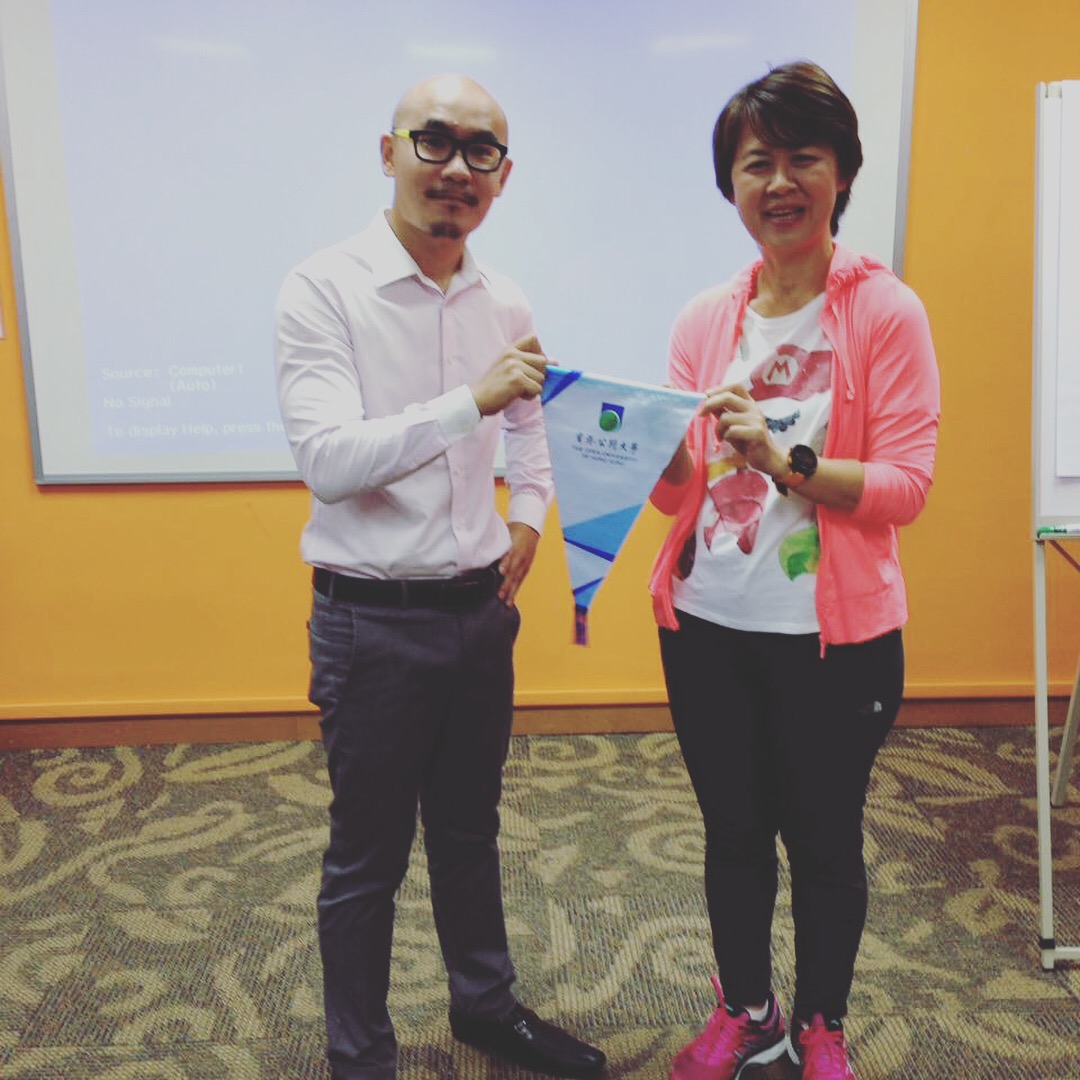
Rick Chan receiving a commemorative pennant from a representative of The Open University of Hong Kong
Programme recognition · The Open University of Hong Kong

Does your team know what to say,
but struggle to make it land?

Let's make their knowledge easier to follow, remember and use.